Exactly How Aluminum Foundry Contributes to Cutting-edge Solutions in Metal Fabrication
Aluminum foundries significantly affect the landscape of steel fabrication. They take on sophisticated casting techniques that improve precision and layout flexibility. This capability enables the production of resilient and lightweight parts that deal with diverse sector requirements. Moreover, the integration of automation and lasting practices establishes a criteria for effectiveness. As these shops develop, they question about the future of manufacturing and the function of innovation fit the sector.
The Function of Aluminum Foundries in Modern Manufacturing
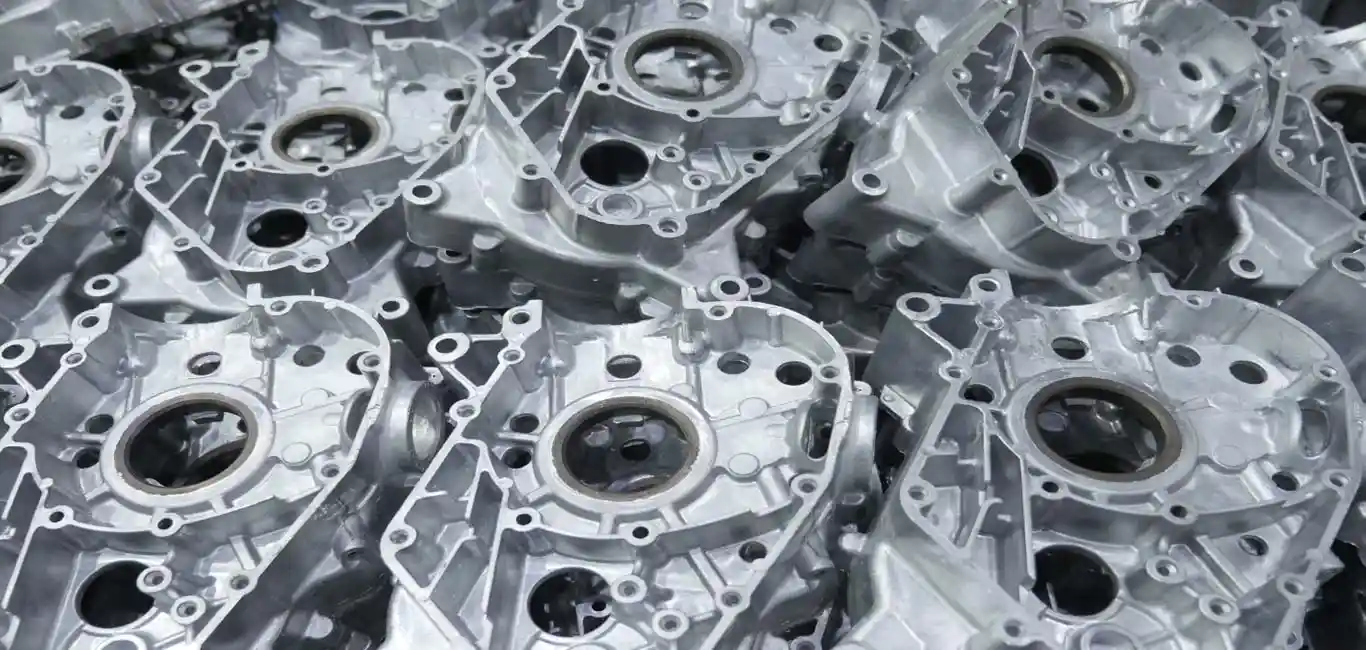
Aluminum factories play an important duty in modern production, contributing considerably to various markets, consisting of auto, aerospace, and customer items. These centers specialize in the melting and casting of aluminum, transforming raw products right into premium parts that meet rigid sector standards. The lightweight yet strong residential or commercial properties of Aluminum make it an ideal option for suppliers intending to improve efficiency while reducing weight, particularly in the automobile market, where gas performance is paramount.
Light weight aluminum shops make use of innovative processes to produce intricate forms and layouts that cater to certain market needs. By leveraging sophisticated innovations such as computer-aided style and simulation, these factories can maximize their manufacturing processes and enhance material application. This not only enhances the top quality of the last items however also reduces waste, adding to even more sustainable manufacturing techniques. Ultimately, the contributions of Aluminum foundries are crucial for driving technology and efficiency throughout multiple sectors.
Advanced Spreading Techniques Changing Metal Manufacture
Advanced spreading strategies are changing the area of metal manufacture, especially with accuracy spreading approaches that enhance precision and decrease waste. Ingenious alloy advancements are additionally playing an essential duty, enabling tailored residential properties and boosted performance in numerous applications. Together, these developments are setting brand-new criteria in performance and high quality within Aluminum factories.
Precision Casting Methods
As the need for high-grade elements in numerous markets remains to increase, precision casting methods have emerged as a transformative force in steel construction. These strategies, including financial investment casting, shed foam casting, and pass away casting, enable intricate geometries and tight resistances that conventional methods typically have a hard time to achieve. By using innovative products and innovations, precision spreading minimizes waste and improves efficiency, enabling makers to generate complicated get rid of reduced lead times. Furthermore, these approaches provide exceptional surface area coatings and mechanical properties, making them perfect for markets such as aerospace, auto, and medical gadgets. As makers significantly take on accuracy casting, the capability to satisfy certain style demands while preserving cost-effectiveness becomes an essential benefit in today's affordable market.
Cutting-edge Alloy Developments
Innovative alloy developments are reshaping the landscape of metal manufacture, specifically within the domain name of accuracy spreading. Advances in product scientific research have actually brought about the production of specialized Aluminum alloys that boost strength, resistance, and durability to deterioration. These unique alloys allow foundries to generate complex elements with improved mechanical residential or commercial properties, accommodating varied industries such as aerospace, auto, and electronic devices. The consolidation of advanced spreading methods, consisting of die spreading and sand casting, more enhances using these materials, allowing for complicated geometries and decreased waste. Consequently, makers are better geared up to fulfill rigid performance requirements while reducing environmental influence. Inevitably, these cutting-edge alloys are leading the method for a new period of effectiveness and sustainability in steel fabrication.
Light-weight and Long Lasting: The Advantages of Aluminum Parts
Aluminum parts provide considerable benefits in different applications as a result of their lightweight nature and longevity. This mix adds to improved gas efficiency, especially in the auto and aerospace industries. Furthermore, light weight aluminum's fundamental corrosion resistance better extends the life expectancy of items, making it a recommended option in numerous steel manufacture processes.
Boosted Fuel Effectiveness
While traditional products have actually long been the criterion in various industries, the shift in the direction of Aluminum components is reinventing the landscape of steel manufacture, specifically in connection with improved gas performance. Light weight aluminum's light-weight nature especially decreases the general weight of lorries and equipment, enabling boosted performance and minimized power intake. This decrease in weight converts straight to reduced fuel consumption, making Aluminum an attractive option for producers aiming to meet stringent environmental regulations. Additionally, aluminum's longevity warranties that parts preserve their stability in time, adding to lasting effectiveness. As sectors increasingly focus on sustainability, the adoption of Aluminum elements ends up being a tactical option, aligning functional goals with environmental obligation while improving fuel effectiveness in different applications.
Rust Resistance Advantages
One of the standout functions of Aluminum elements is their outstanding rust resistance, which significantly boosts the long life and integrity of different applications. This residential property is especially advantageous in rough atmospheres, such as commercial and marine setups, where exposure to wetness and chemicals can lead to significant destruction in other steels. Unlike steel, Aluminum naturally develops a protective oxide layer that acts as an obstacle against environmental components, decreasing the danger of rust and rust. Because of this, Aluminum elements need less upkeep and have a longer service life, making them a cost-effective option for manufacturers. This integral toughness not only adds to the total performance of products but likewise sustains sustainability efforts by minimizing the demand for regular replacements.
Developments in Layout and Engineering With Aluminum Foundries
As innovations in Aluminum Foundry innovation remain to reshape the landscape of steel fabrication, innovative layout and engineering services are arising to fulfill the needs of diverse industries. The adaptability of Aluminum permits for intricate styles that were formerly unattainable with traditional materials. Factories are leveraging computer-aided style (CAD) software program and simulation devices to enhance the layout procedure, enabling engineers to create lightweight yet durable parts customized to specific applications.
Furthermore, the capability to integrate innovative alloying strategies allows the modification of Aluminum buildings, improving strength and toughness. This versatility promotes creative thinking in item advancement, enabling companies to experiment with new shapes and frameworks that boost capability while minimizing weight. Collective initiatives in between developers and factories promote fast prototyping, causing shorter project timelines and raised overall performance. These technologies not just enhance item efficiency but likewise drive sustainability by reducing product waste throughout the fabrication process.
Enhancing Effectiveness With State-Of-The-Art Innovation
Innovations in advanced innovation are changing the performance of Aluminum shops, simplifying procedures from style to production. Automation plays a critical function, with robotic systems boosting the speed and accuracy of jobs such as molding, putting, and completing. These automated options lessen human error and decrease labor expenses, while also enhancing result consistency.
Additionally, the combination of advanced software for computer-aided design (CAD) and simulation enables rapid prototyping and screening, expediting the change from principle to production. Shops are using real-time information analytics to keep track of operations, guaranteeing peak efficiency and reducing downtime.
3D printing innovation is being taken on for producing intricate molds and elements, lowering product waste and lead times. The combination of these cutting-edge technologies not just boosts performance but likewise boosts the quality of Aluminum products, placing foundries at the forefront of development in metal manufacture.
Lasting Practices in Aluminum Foundries
A growing variety of Aluminum factories are adopting sustainable methods to decrease their ecological effect and advertise source performance. Wisconsin Aluminum Foundry. These foundries are progressively carrying out reusing programs, where scrap Aluminum is accumulated and recycled, substantially reducing waste. Additionally, energy-efficient technologies, such as electric furnaces and progressed insulation products, are being made use of useful reference to reduced power intake throughout the melting process
Water preservation techniques are also gaining grip, with several foundries reusing water in cooling systems to reduce overall use. The fostering of environmentally friendly finishings and additives minimizes unsafe exhausts without jeopardizing product top quality.
Future Fads in Aluminum Spreading and Metalworking
Increasingly, the future of Aluminum spreading and metalworking is being formed by technological technologies and evolving sector standards. Advancements in automation and robotics are enhancing processes, improving precision, and lowering labor expenses. The fostering of additive manufacturing strategies, such as 3D printing, is changing conventional spreading methods, enabling complicated geometries and reduced product waste.
In addition, the assimilation of expert system and information analytics is allowing real-time surveillance and predictive upkeep, which optimizes production performance. Sustainability continues to be a core focus, with firms purchasing environmentally friendly methods, consisting of the recycling of Aluminum scrap and using renewable resource resources in production.
As the demand for lightweight, sturdy products in various markets rises, Aluminum shops should adapt by developing cutting-edge alloys and enhancing spreading techniques. These trends collectively direct to a future where Aluminum spreading and metalworking are extra efficient, lasting, and you could try these out receptive to market demands.

Regularly Asked Inquiries
What Sorts Of Aluminum Alloys Are Generally Made Use Of in Shops?
Typically used Aluminum alloys in foundries consist of 2xxx collection (copper), 3xxx collection (manganese), 4xxx collection (silicon), 5xxx collection (magnesium), and 6xxx collection (magnesium and silicon), each offering special buildings ideal for different applications.
Exactly How Does Aluminum Spreading Contrast to Various Other Metal Fabrication Methods?
Aluminum casting deals advantages such as lower production costs and complicated shapes compared to conventional fabrication approaches. It offers outstanding dimensional accuracy and surface finish, making it a recommended selection for lots of industries over options like machining or welding.
What Security Steps Are Implemented in Aluminum Foundries?
Aluminum shops execute numerous safety and security actions, including individual safety equipment, air flow systems, routine safety training, threat evaluations, and emergency situation procedures to protect workers from risks connected with molten steel, heat, and possible chemical exposure. Aluminum Foundry.
How Can Firms Find Reliable Aluminum Foundry Allies?
Firms can identify trustworthy Aluminum Foundry companions by assessing industry online reputation, assessing client testimonials, appraising high quality accreditations, considering production abilities, and performing website visits to guarantee positioning with their details needs and standards.
What Is the Normal Preparation for Aluminum Casting Projects?
The normal lead time for Aluminum casting jobs ranges from two to eight weeks, relying on variables such as layout intricacy, manufacturing quantity, and the factory's capacity to meet specific task needs and timelines.
Aluminum shops play a crucial duty in contemporary manufacturing, contributing considerably to numerous sectors, consisting of automobile, aerospace, and consumer items. As improvements in Aluminum Foundry innovation continue to reshape the landscape of metal see this here manufacture, ingenious design and design services are emerging to fulfill the demands of varied markets. Improvements in advanced innovation are transforming the efficiency of Aluminum shops, enhancing procedures from style to manufacturing (Wisconsin Aluminum Foundry). An expanding number of Aluminum factories are adopting lasting techniques to lower their ecological impact and promote source effectiveness. As the demand for light-weight, resilient products in different sectors increases, Aluminum shops need to adapt by boosting and developing cutting-edge alloys casting strategies
Comments on “Innovations driving the Aluminum Foundry industry toward sustainability”